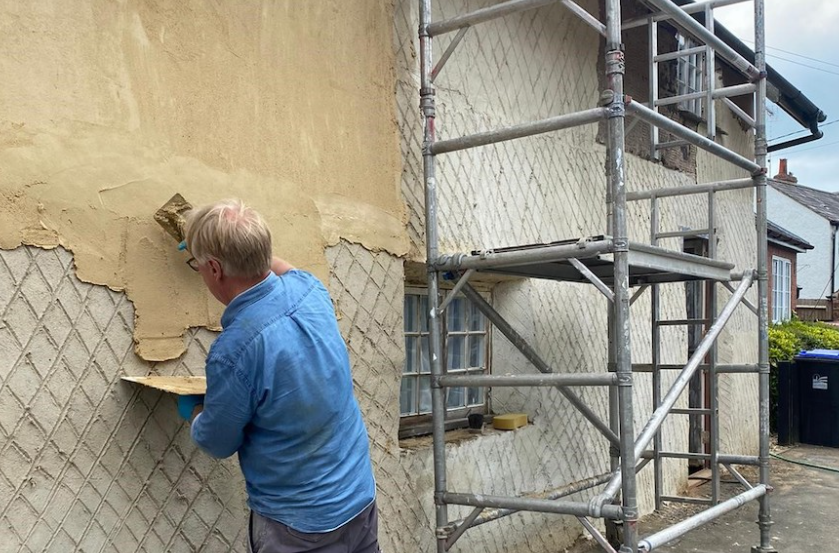
House rendering plays a key role in protecting external walls while improving the overall appearance of a home. With several render options available, choosing the right type depends on the structure of the house, the local climate, and the desired finish. Understanding the different types of render used on houses helps homeowners make informed decisions that balance durability, flexibility, and maintenance.
Render is applied to external walls to create a protective layer that also enhances visual appeal. Different render systems offer varying levels of strength, flexibility, and moisture resistance. Selecting the right render type is important for long-term performance and reducing the risk of cracking or failure.
Cement Render
Cement render is one of the most commonly used render types on houses. It is made from a mix of cement, sand, and lime and creates a hard, durable finish. Cement render is well suited to solid masonry walls such as brick and concrete. While it offers strong impact resistance, it is more rigid than other systems and can crack if the building experiences movement.
Acrylic Render
Acrylic render is a modern alternative to traditional cement render and includes acrylic polymers that improve flexibility and adhesion. This makes it less prone to cracking and well suited to homes that experience minor movement or temperature changes. Acrylic render can be applied to a wider range of surfaces, including fibre cement and painted masonry. Many homeowners choose this option for house rendering because it offers durability, flexibility, and a wide range of finishes.
See also: How Movies Influence Culture: Exploring Film’s Impact on Society
Lime Render
Lime render is a traditional render system commonly used on older and heritage homes. It is more breathable than cement-based renders, allowing moisture to escape from the wall structure. This helps prevent trapped damp and reduces long-term damage in older buildings. Lime render is softer and more flexible but requires specialised application and ongoing maintenance.
Textured and Decorative Renders
Textured and decorative renders include finishes such as granosite and other aggregate-based coatings. These renders are designed to provide visual interest while offering strong durability. Textured finishes are often used on feature walls, lower façade sections, or areas exposed to wear. They are particularly valued for their ability to hide minor surface imperfections.
Polymer-Modified Render
Polymer-modified render combines cement-based materials with additives that improve strength, flexibility, and bonding. This type of render offers better performance than standard cement render and is commonly used in modern residential construction. It provides a balance between durability and crack resistance.
Render for Different Wall Types
Different wall materials require compatible render systems. Brick and concrete walls are suitable for most render types, while lightweight substrates such as blueboard and fibre cement require flexible systems like acrylic or polymer-modified render. Correct surface preparation and material compatibility are essential for long-lasting results.
Choosing the Right Render for Your Home
The right render depends on factors such as climate, building age, wall type, and budget. Homes in areas with temperature fluctuations or coastal conditions often benefit from flexible render systems. Older homes may require breathable options like lime render, while modern builds typically suit acrylic or polymer-modified systems.
Common Render Problems and How to Avoid Them
Cracking, moisture penetration, and delamination are common render issues when the wrong system is used or preparation is inadequate. Choosing the correct render type, allowing for building movement, and ensuring proper application helps prevent these problems. Professional assessment is often recommended before rendering begins.
In Closing
Several types of render are used on houses, each offering different benefits and limitations. Cement, acrylic, lime, textured, and polymer-modified renders all serve specific purposes depending on the structure and environment. Understanding these options allows homeowners to choose a render system that delivers long-term protection, visual appeal, and reliable performance.