Why Proper Storage Matters for Tonkotsu Ramen Soup
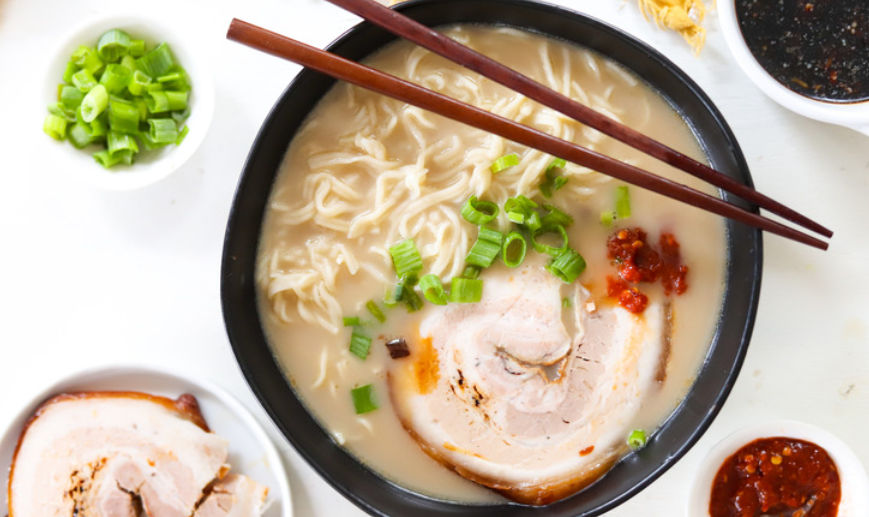
Proper storage plays a key role in maintaining food safety, flavour quality, and consistency when working with tonkotsu ramen soup. Because this style of broth is rich and collagen-heavy, incorrect storage can quickly affect taste, texture, and usability. Following correct storage practices helps reduce waste, protect product integrity, and support efficient kitchen operations.
Understanding Ariake Tonkotsu Ramen Soup Formats
Ariake tonkotsu ramen soup is commonly supplied in professional formats designed for foodservice and retail environments. Shelf-stable liquid concentrates can be stored at room temperature before opening. Chilled liquid soup bases require refrigeration to maintain freshness. Frozen tonkotsu ramen soup must remain frozen until ready for use. Each format has different storage requirements that should always align with the packaging instructions.
Storing Unopened Ariake Tonkotsu Ramen Soup
Unopened shelf-stable products should be stored in a cool, dry place away from direct sunlight and heat sources. Chilled products must remain refrigerated within recommended temperature ranges to preserve quality. Frozen soup bases should be stored at consistent freezer temperatures and protected from thawing during transport or storage. Always check expiry dates and rotate stock using first-in, first-out practices.
See also: How Movies Influence Culture: Exploring Film’s Impact on Society
Storing Opened Ariake Tonkotsu Ramen Soup
Once opened, ariake tonkotsu ramen soup should be transferred to clean, food-grade containers and stored in the refrigerator at safe holding temperatures. Keeping the soup well sealed helps prevent contamination, oxidation, and flavour loss. Opened soup should be clearly labelled with the opening date and used within the recommended timeframe to maintain quality and safety. Avoid leaving opened soup at room temperature for extended periods, especially during service.
Handling and Portioning Best Practices
Portioning soup into smaller containers can improve temperature control and reduce repeated exposure during service. Use clean utensils when handling the soup to prevent cross-contact. Labelling containers with preparation or opening dates supports food safety compliance and kitchen efficiency.
Reheating and Using Stored Tonkotsu Soup Safely
Reheat only the amount needed for service and bring the soup to safe serving temperatures before use. Avoid reheating the same batch multiple times, as this can affect both food safety and flavour. Gentle reheating helps preserve the creamy texture that tonkotsu broth is known for.
Storage Tips for Restaurants vs Retail Settings
Restaurants benefit from clearly defined storage zones for opened and unopened products, while retail environments should ensure products are displayed or stored according to their required temperature conditions. Clear storage instructions help staff and customers maintain product quality after purchase.
Common Storage Mistakes to Avoid
Common mistakes include storing opened soup at room temperature, diluting the soup before refrigeration, using poorly sealed containers, or ignoring expiry and use-by guidance. These issues can shorten shelf life and compromise flavour.
Key Takeaways
Correct storage of Ariake tonkotsu ramen soup ensures food safety, preserves flavour, and supports consistent results in professional and retail settings. By following format-specific guidelines and best practices after opening, kitchens and retailers can maximise shelf life while maintaining the rich, authentic qualities expected from tonkotsu ramen broth.