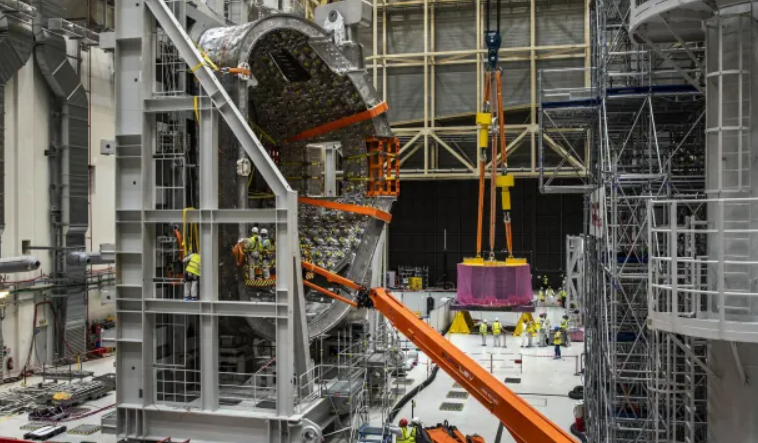
In an era where energy demands are skyrocketing and sustainability has become a global priority, fusion charge is emerging as a groundbreaking solution. This innovative technology promises not only to revolutionize how we produce energy but also to pave the way for a cleaner, more efficient, and virtually limitless power source.
What is Fusion Charge?
Fusion charge refers to the process of generating energy through nuclear fusion, the same reaction that powers the sun. Unlike traditional nuclear fission, which splits heavy atomic nuclei, fusion combines light atomic nuclei such as hydrogen isotopes to form a heavier nucleus, releasing enormous amounts of energy in the process.
The term “fusion charge” emphasizes the controlled application of fusion reactions to produce usable electricity or power for industrial and commercial purposes. This method of energy production is considered safer, cleaner, and more sustainable compared to conventional energy sources.
See also: How Ecommerce is Transforming the Retail Industry in 2025
How Fusion Charge Works
The core principle behind fusion charge lies in the fusion reaction. The process involves heating hydrogen isotopes—typically deuterium and tritium—to extremely high temperatures, often exceeding millions of degrees Celsius. At these extreme temperatures, atoms gain enough kinetic energy to overcome electrostatic repulsion and collide with one another, fusing to form helium and releasing energy in the form of heat.
This heat is then harnessed to produce steam, which drives turbines and generates electricity, similar to conventional power plants. However, unlike fossil fuels, fusion charge does not emit greenhouse gases, and the primary byproduct is harmless helium.
Advantages of Fusion Charge
- Limitless Energy Potential: Fusion charge relies on hydrogen, the most abundant element in the universe, ensuring an almost unlimited fuel supply.
- Environmentally Friendly: Fusion reactions produce minimal radioactive waste and zero carbon emissions, making it a clean energy alternative.
- Safety: Unlike fission reactors, fusion cannot trigger a catastrophic meltdown, as the reaction requires precise conditions to sustain itself.
- Efficiency: Fusion charge has the potential to produce significantly more energy than traditional fossil fuels or fission reactors from the same amount of fuel.
Current Challenges
Despite its immense potential, fusion charge technology is still in the experimental phase. Achieving the extreme temperatures and pressures necessary for sustained fusion reactions remains a major challenge. Additionally, the materials used in reactors must withstand intense neutron bombardment without degrading.
However, ongoing research and breakthroughs in magnetic confinement, laser ignition, and plasma stability are bringing fusion charge closer to commercial reality.
Applications of Fusion Charge
The potential applications of fusion charge are vast:
- Electricity Generation: Fusion reactors could provide continuous, large-scale energy supply to power cities.
- Space Exploration: Compact fusion charge systems could fuel long-duration space missions with reliable, lightweight energy.
- Industrial Processes: High-temperature fusion energy can drive industrial processes such as hydrogen production and desalination.
FAQs About Fusion Charge
Q1: Is fusion charge the same as nuclear fission?
No. Fusion charge combines light atomic nuclei, whereas fission splits heavy nuclei. Fusion produces less radioactive waste and is safer.
Q2: When will fusion charge become commercially available?
While experimental reactors exist, widespread commercial availability is projected within the next few decades as technology and materials improve.
Q3: What fuels are used in fusion charge?
Deuterium and tritium, isotopes of hydrogen, are the primary fuels for fusion charge reactions.
Q4: Does fusion charge emit greenhouse gases?
No. Fusion charge is a clean energy source that does not release carbon dioxide or other greenhouse gases.
Q5: Is fusion charge dangerous?
Fusion charge is inherently safe because the reaction stops instantly if containment fails, unlike fission, which can lead to meltdowns.
Conclusion
Fusion charge represents the next frontier in energy technology. With the promise of virtually limitless, clean, and safe energy, it has the potential to transform global energy infrastructure. While challenges remain, continued research and innovation are bringing fusion charge closer to reality, offering hope for a sustainable and energy-secure future.
Adopting fusion charge technology could not only reduce our reliance on fossil fuels but also protect the environment for generations to come. As scientists and engineers refine the technology, the dream of harnessing the power of the stars here on Earth is closer than ever.